Electrical accidents during maintenance aren’t just rare tragedies—they’re preventable failures in safety systems. One of the most common entry points for disaster? Overlooking proper lockout tagout devices for circuit breakers. When technicians service electrical panels without verified isolation, the risk of arc flash, electrocution, or unintended energization spikes dramatically. The solution isn’t complex, but it must be consistent, visible, and physically robust. That’s where well-designed lockout tagout (LOTO) devices come in—not as bureaucratic checkboxes, but as frontline defenses in industrial, commercial, and facility maintenance environments.
Why Lockout Tagout Devices Are Non-Negotiable for Circuit Breakers
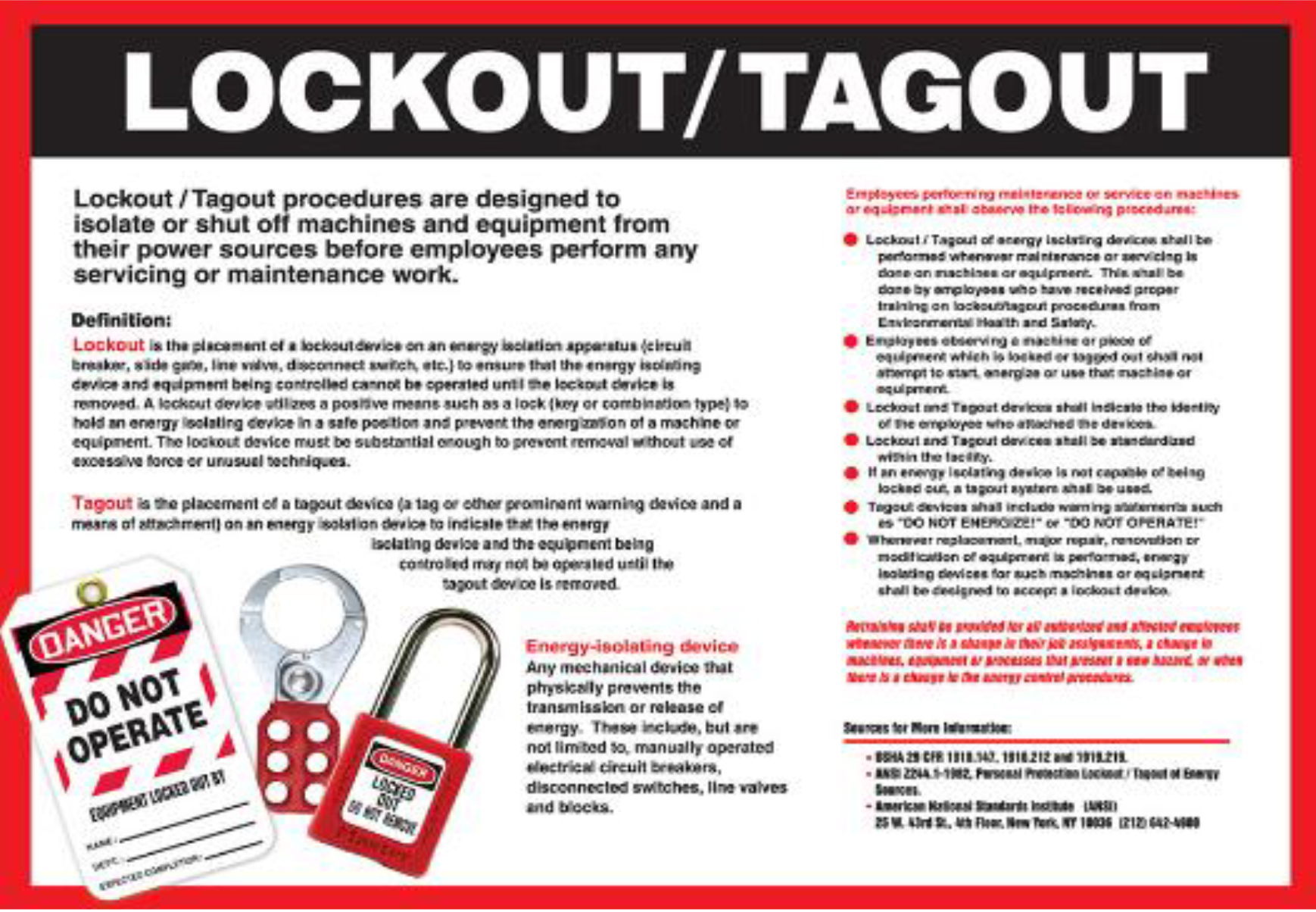
Circuit breakers are designed to interrupt power during faults, but they aren’t inherently safe during maintenance. They can be accidentally reset—by mistake, miscommunication, or urgency—re-energizing systems mid-repair. OSHA's Control of Hazardous Energy standard (29 CFR 1910.147) mandates that all energy sources be physically isolated and secured before servicing. That’s where LOTO devices fulfill a legal and ethical requirement.
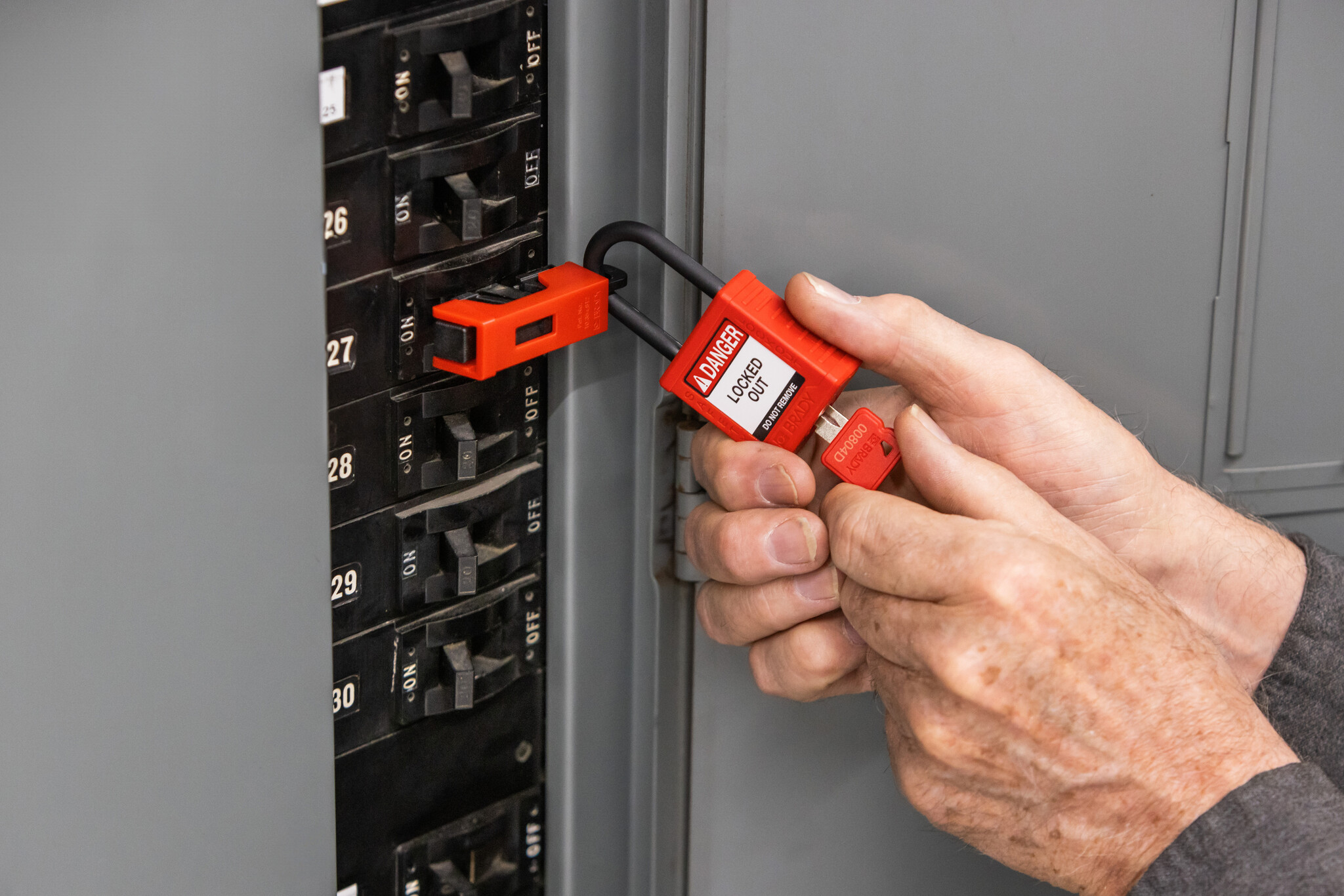
A lockout tagout device for a circuit breaker physically prevents the switch from being turned back on. It works in tandem with a worker’s personal lock and an explanatory tag that identifies who locked the device, when, and why. Without this system, assumptions replace verification—and assumptions kill.
Common failure points include: - Using tape or zip ties instead of approved lockout hasps - Shared locks or master keys that bypass individual accountability - Tags without critical details like date, name, or work scope - Devices that don’t fit the specific breaker model
Real-world example: At a mid-sized manufacturing plant, a technician was troubleshooting a conveyor motor. Another worker, unaware of the maintenance, reset a tripped breaker. The resulting startup caused severe hand injuries. Investigation revealed the breaker had no lockout device—only a handwritten note on the panel. This wasn’t just negligence; it was a failure of equipment and process.
Types of Lockout Devices for Circuit Breakers
Not all breakers are the same, and neither are LOTO devices. The right choice depends on breaker size, shape, amperage, and access method. Here are the most common types used across industries:
1. Circuit Breaker Lockouts (Clip-On Style)
These slide over the toggle handle of standard molded-case circuit breakers. Made from durable polymers or reinforced nylon, they prevent the handle from moving to the “on” position. Most accept padlocks up to 9/32" shackle diameter.
Best for: Panelboards, distribution boards, industrial control panels Limitations: May not fit breakers with recessed or uniquely shaped handles
2. Universal Breaker Lockout Kits Modular systems with adjustable arms or sliders that adapt to multiple breaker sizes. Often include multiple brackets and locking mechanisms in one kit.
Best for: Facilities with mixed breaker brands or variable panel setups Advantage: Cost-effective for diverse environments
3. Plug-In Breaker Lockouts Used for plug-style breakers (common in switchgear). These attach to the breaker’s external release mechanism or handle, blocking insertion or activation.

Best for: Data centers, utility substations, large-scale electrical rooms Note: Requires exact model compatibility
4. Hinged Lockout Devices
These clamp around the breaker handle and use a hinge-and-lock mechanism. Once closed, they can only be opened with a lock removal.
Best for: High-vibration environments where clip-ons might loosen Durability: Resistant to impact and temperature extremes
5. Tagout Holders
with Lockout Integration
While not a lockout device per se, these support the LOTO process by providing a secure place for tags. Some models combine tag slots with breaker handle enclosures.
Best for: Compliance audits, training environments, multi-step procedures
How to Choose the Right LOTO Device for Your Breakers
Selecting the correct lockout device isn’t about convenience—it’s about fit, function, and fail-safety.
Start with identification: - What brand and model are your breakers? (Siemens, Square D, ABB, Eaton, etc.) - What is the handle type? (Toggle, rotary, draw-out) - Is the breaker accessible or recessed?
Then evaluate: - Material: Polycarbonate resins offer UV and chemical resistance—critical in harsh environments. - Lock compatibility: Ensure it works with your facility’s lock standard (e.g., 5mm shackle). - Visibility: Some models include clear tag windows or high-contrast housings. - Certifications: Look for devices compliant with OSHA, ANSI Z244.1, and CSA standards.
One common mistake: assuming one-size-fits-all. A device rated for a 20A residential breaker may not secure a 600A industrial unit. Always match the LOTO device to the breaker’s physical and operational specs.
Top 5 Lockout Tagout Devices for Circuit Breakers
Here are five widely trusted options, selected for durability, adaptability, and real-world performance:
| Product | Key Features | Best Use Case |
|---|---|---|
| Grace-Industries GI-913 | Clip-on design, fits 90% of standard breakers, UV-resistant nylon | General industrial panels |
| Safeguard LOTO-3000 | Adjustable arms, universal fit, includes tag holder | Mixed-brand electrical rooms |
| Master Lock 4700DAT | Hinged design, accepts dual locks, high-impact polymer | Multi-worker lockout scenarios |
| Brammer LOK-IT-12 | Plug-in style for Square D QO breakers, secure latch | Commercial buildings, schools |
| Seton 78321-5 | Pack of five universal lockouts, color-coded options | High-turnover maintenance teams |
These aren’t generic recommendations—they reflect devices proven in manufacturing plants, hospitals, and municipal facilities. For example, the Safeguard LOTO-3000 reduced mismatch-related errors by 70% in a Midwest automotive plant after switching from single-size models.
Implementing LOTO Devices: A Workflow That Works
Having the right devices means nothing without a disciplined process.
Follow this sequence:
- Shut down equipment using normal controls
- Open the circuit breaker at the panel
- Install the lockout device over the handle
- Attach your personal lock and a filled-out tag
- Verify de-energization using a voltage tester
- Proceed with maintenance
Critical tip: Always test before touch. Even with a lockout device in place, confirm zero energy with a properly rated meter. Lockout prevents re-energizing; testing confirms isolation.
Another often-missed step: group lockout procedures. When multiple technicians work on one system, use a hasp or group lockbox. Each worker applies their own lock. The system stays locked until every individual removes theirs.
Common Mistakes and How to Fix Them

Even experienced teams make LOTO errors. Here’s what to watch for:
- Using makeshift solutions: Duct tape, wire, or non-certified clamps don’t qualify as lockout devices. Replace them immediately with OSHA-compliant hardware.
- Tag-only procedures: Tags alone are not sufficient. They must accompany a physical lockout device.
- Poor device fit: A lockout that wobbles or slips off defeats the purpose. Audit your inventory for compatibility.
- Lack of training: Workers must understand not just how to use LOTO devices, but why. Reinforce with drills and refresher courses.
- Ignoring breaker types: Draw-out breakers require different devices than fixed ones. Don’t assume interchangeability.
One utility company reduced LOTO violations by 85% in six months simply by replacing worn devices and adding visual fit guides at panel entrances.
Compliance, Culture, and Continuous Improvement
OSHA fines for LOTO violations can exceed $15,000 per instance. But beyond penalties, there’s a cultural cost. When safety feels like a formality, workers become desensitized.
Turn LOTO into a visible practice: - Color-code locks by department or role - Conduct monthly LOTO audits - Post breaker-specific lockout instructions near panels - Involve maintenance teams in device selection
A chemical plant in Texas implemented monthly “LOTO challenge” drills—technicians were timed and scored on proper lockout steps. Error rates dropped, and near-miss reporting increased, showing improved awareness.
Closing: Make Lockout Tagout a Physical Habit
Lockout tagout devices for circuit breakers aren’t accessories. They’re essential tools—like hard hats or gloves. The best ones are simple, durable, and impossible to ignore. Choose devices that match your breakers, enforce procedures that leave no room for assumption, and verify every isolation.
Start today: walk to your nearest electrical panel. Is every breaker equipped with a compatible, functional lockout device? If not, that’s your first action item. Safety isn’t built in emergencies—it’s built in routine.
Frequently Asked Questions
What is a lockout tagout device for a circuit breaker? It’s a physical device that prevents a circuit breaker from being turned on during maintenance, used with a lock and tag to ensure safety and accountability.
Can I use a tag without a lockout device? No. Tags alone don’t provide physical protection. OSHA requires a lockout device to isolate energy sources.
Do all circuit breakers need lockout devices? Yes, if they’re being serviced. Any breaker that controls equipment undergoing maintenance must be locked out.
How do I know which lockout device fits my breaker? Check the breaker model and brand, then select a device rated for that make and handle type. Manufacturer charts help match compatibility.
Are universal lockout devices reliable? Yes, if properly designed. High-quality universal models adjust securely and withstand industrial conditions.
Can one lockout device work for multiple breakers? Only if each breaker is individually locked out. Never use a single device to cover several breakers unless part of an approved group procedure.
What materials are best for LOTO devices? High-impact polymers like nylon or polycarbonate, which resist heat, chemicals, and UV exposure.
FAQ
What should you look for in Lockout Tagout Devices for Circuit Breakers: Safety That Works? Focus on relevance, practical value, and how well the solution matches real user intent.
Is Lockout Tagout Devices for Circuit Breakers: Safety That Works suitable for beginners? That depends on the workflow, but a clear step-by-step approach usually makes it easier to start.
How do you compare options around Lockout Tagout Devices for Circuit Breakers: Safety That Works? Compare features, trust signals, limitations, pricing, and ease of implementation.
What mistakes should you avoid? Avoid generic choices, weak validation, and decisions based only on marketing claims.
What is the next best step? Shortlist the most relevant options, validate them quickly, and refine from real-world results.