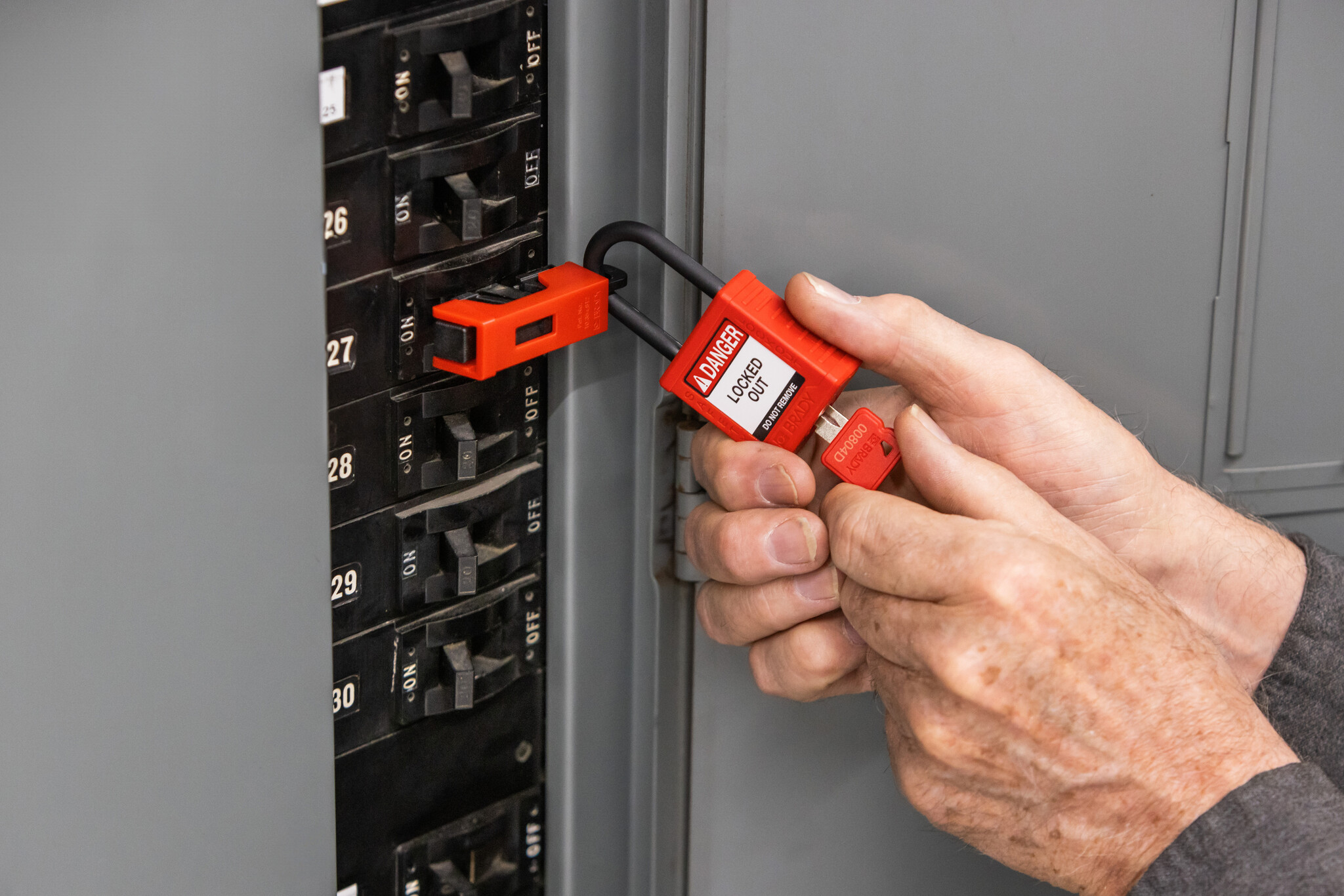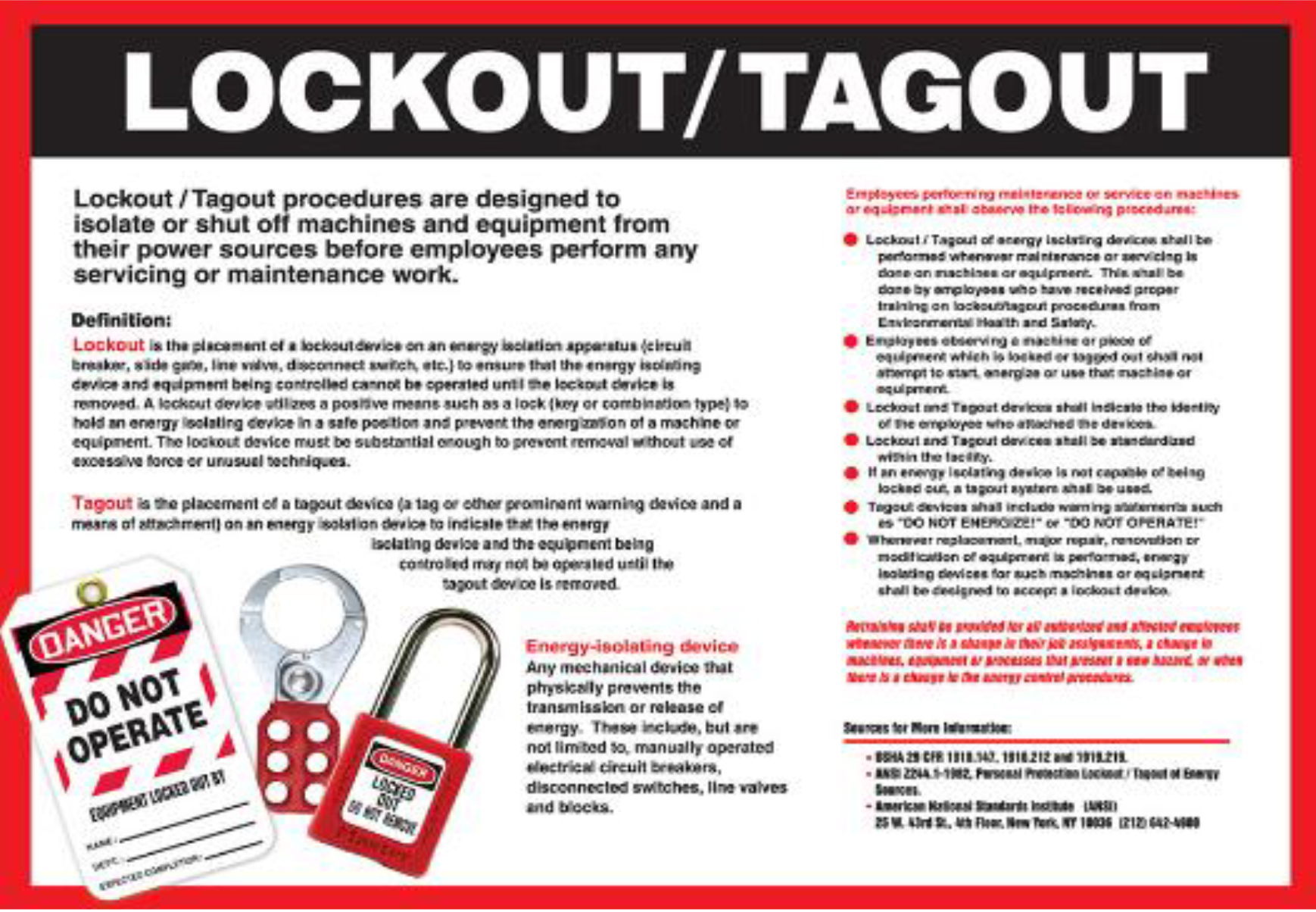
Machines don’t warn you before they start. That’s why a lockout tagout log sheet isn’t just paperwork—it’s a lifeline. Every time a technician services a press, conveyor, or electrical panel, uncontrolled energy release can mean crushed limbs, electrocution, or worse. The log sheet is the documented proof that safety procedures were followed. It’s not about checking a box—it’s about protecting lives.
This article breaks down what a lockout tagout log sheet actually does, how to design and use one effectively, and common pitfalls that even experienced teams overlook.
What Is a Lockout Tagout Log Sheet?
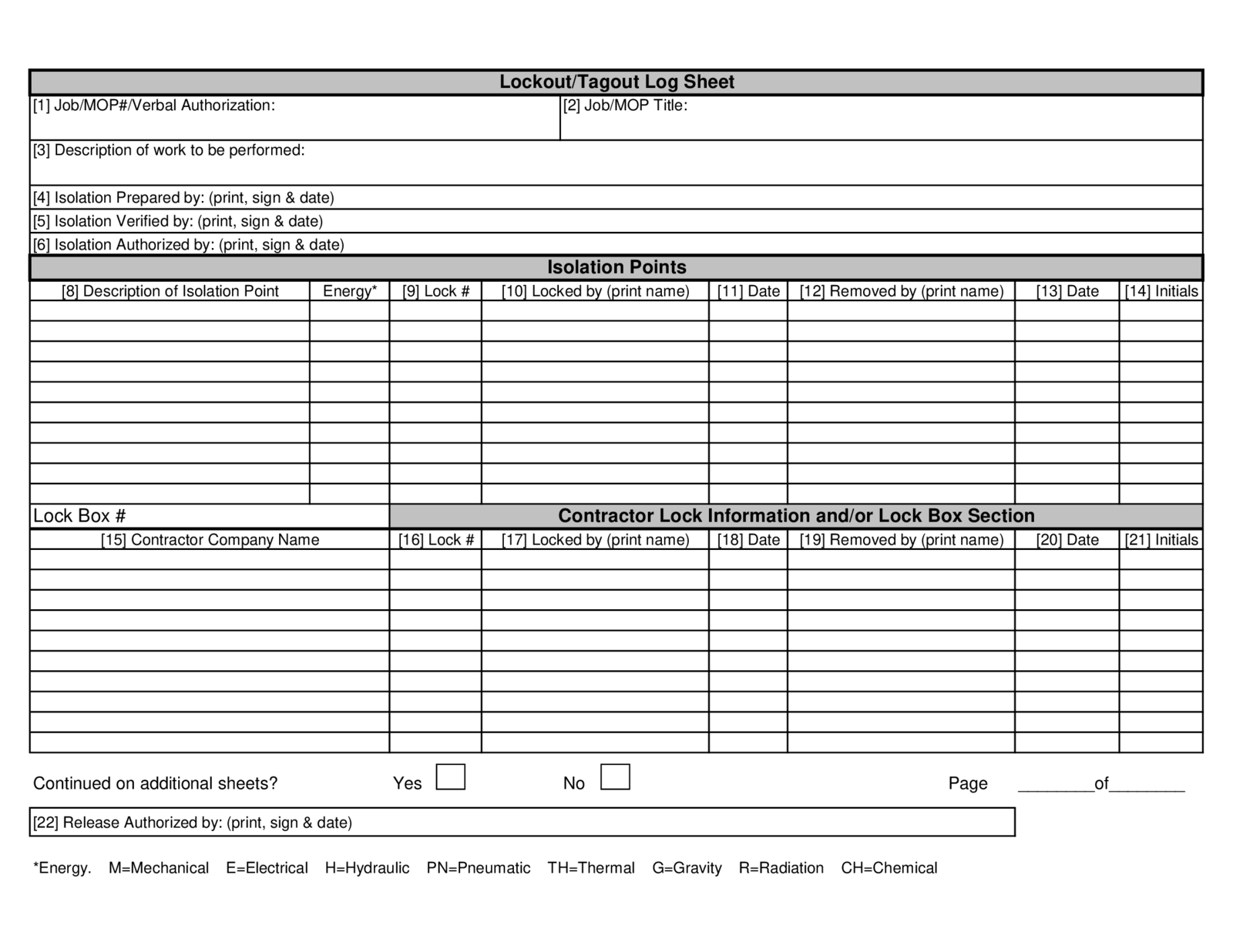
A lockout tagout log sheet is a formal record used during maintenance or servicing of machinery to document the application and removal of energy control measures. It logs who applied locks and tags, when, on which equipment, and verifies that energy sources were properly isolated.
Unlike the physical locks and tags themselves, the log sheet provides traceability. It answers: - Who initiated the LOTO procedure? - Which energy sources were isolated (electrical, hydraulic, pneumatic, etc.)? - When was the equipment cleared for servicing? - Who verified the zero-energy state? - When was the system restored?
OSHA standard 29 CFR 1910.147 requires documented procedures for controlling hazardous energy. While the regulation doesn’t mandate a specific log sheet, maintaining one is the most practical way to prove compliance during audits or after an incident.
Why a Log Sheet Matters More Than You Think
Compliance isn’t the only reason. Real-world value comes from clarity and accountability.
Prevents Miscommunication During Shift Changes Imagine a night technician isolates a conveyor for belt replacement. Before finishing, they go off-shift. Without a log sheet, the day crew might unknowingly restore power, thinking maintenance is complete. A signed log sheet creates continuity.
Supports Incident Investigation If an accident occurs during maintenance, investigators will demand records. A properly filled log sheet shows whether procedures were followed. Missing signatures or gaps in timing can reveal systemic failures.
Reduces Human Error Even trained personnel forget steps under pressure. A log sheet acts as a checklist and a memory aid. It forces verification of lock application, testing for zero energy, and formal sign-off.
“We had a near-miss because two teams were working on the same mixer. The log sheet caught the conflict before power was restored.” — Plant Safety Manager, Food Processing Facility
Key Elements of an Effective LOTO Log Sheet
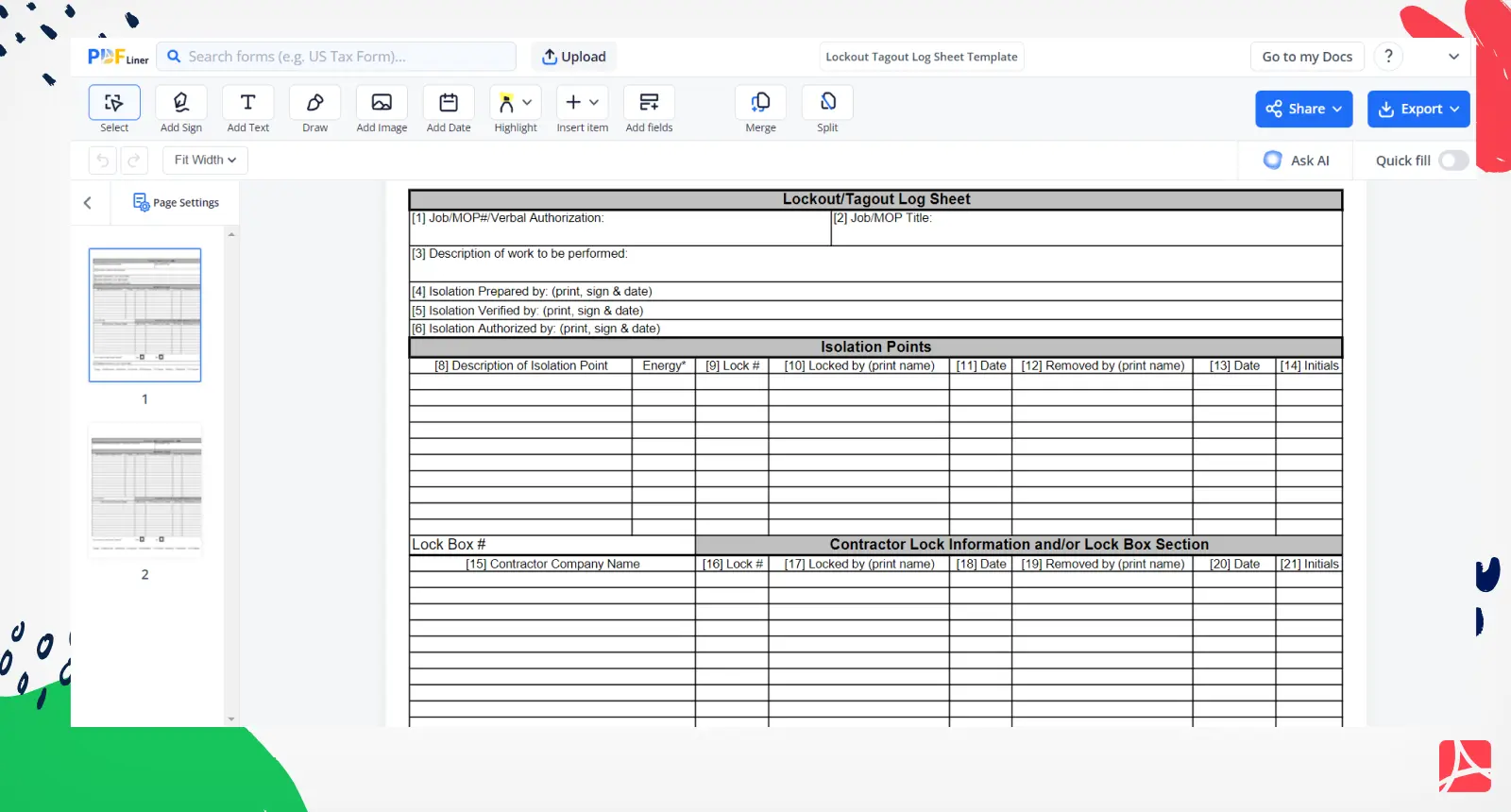
A good log sheet isn’t cluttered—it’s focused. Include only what’s necessary for safety and compliance.
Mandatory Fields
| Field | Purpose |
|---|---|
| Date and Time | Tracks when isolation began and ended |
| Equipment ID | Identifies the specific machine or system |
| Department/Area | Helps with cross-team coordination |
| Authorized Employee Name & ID | Accountability |
| Type of Energy Isolated | Electrical, mechanical, hydraulic, etc. |
| Number and Location of Locks/Tags | Ensures all points are secured |
| Verification of Zero Energy | Proof that equipment was tested |
| Supervisor Approval | Secondary validation |
| Removal Time and Initials | Documents safe re-energization |
Smart Design Tips
- Use carbon-copy or digital forms so duplicates go to supervisors or control rooms
- Color-code by department or energy type
- Keep sheets near equipment or in central logging stations
- Avoid open-ended text boxes—use checkboxes and dropdowns where possible
One manufacturer reduced LOTO errors by 63% simply by switching from handwritten logs to pre-printed forms with required fields.
Common Mistakes That Undermine LOTO Logs
Even companies with strong safety cultures make these errors:
1. Blank or Incomplete Entries Leaving “time of removal” blank because “we’ll fill it in later” defeats the purpose. Incomplete logs are treated as non-compliant during OSHA inspections.
2. Using One Log for Multiple Machines Each piece of equipment requires its own isolation and verification. Bundling entries increases confusion and bypass risk.
3. Failing to Verify Zero Energy Signing the “verified” line without actually testing (e.g., trying to start the machine) is a ritual, not safety. The log sheet should require a brief note on verification method.
4. Not Archiving Logs
Many sites discard logs after a week. OSHA recommends retaining records for at least one year—especially if an incident occurred.
5. No Training on Log Use Technicians know how to apply locks, but not how to document properly. Include log sheet completion in LOTO training.
When to Use a Digital LOTO Log System
Paper logs work, but they have limits: lost sheets, illegible handwriting, delayed access. Digital systems solve these issues—especially in complex or multi-site operations.
Advantages of Digital Logs
- Real-time visibility for supervisors
- Automated reminders for lock removal
- Integration with CMMS or safety management software
- Audit trails with timestamps and user IDs
- Mobile access via tablets or phones
A chemical plant in Texas replaced paper logs with tablets at isolation points. Within six months, LOTO compliance rose from 78% to 98%, and lock abandonment dropped by 80%.
That said, digital isn’t always better. In wet, dusty, or explosive environments, ruggedized tablets may be impractical. Always match the tool to the environment.

5 Tools to Manage LOTO Log Sheets (Digital & Physical)
Not all systems are equal. Here are reliable options that balance usability and compliance.
| Tool | Type | Key Features | Best For |
|---|---|---|---|
| EHS Insight | Digital Platform | Mobile LOTO logs, workflows, audit trails | Mid to large manufacturers |
| SiteDocs | Cloud-Based App | Custom forms, real-time sync, reporting | Multi-site operations |
| Lockout/Tagout Buddy | Mobile App | Step-by-step guidance, photo logs | Small teams, contractors |
| Seton LOTO Log Books | Physical Binder System | Pre-printed tear-off sheets, carbon copies | Facilities preferring paper |
| Pro-Safe LOTO Manager | Software | Central dashboard, compliance tracking, alerts | Corporate safety teams |
Each option supports the core need: a permanent, verifiable record. Choose based on team size, technical capability, and existing systems.
Real-World Use Case: Preventing a Catastrophe
At a Midwest auto parts plant, a press brake required urgent die replacement. Two technicians initiated LOTO, applied locks, and began work. A supervisor later checked the log sheet and noticed a discrepancy: the hydraulic isolation point wasn’t listed.
The log sheet prompted a review. They discovered a secondary valve had been missed. One technician had assumed it was covered under the main disconnect. Without the log, that assumption could have led to sudden movement under pressure.
The sheet didn’t just document safety—it enabled it by exposing a gap.
How to Implement a LOTO Log Sheet System
Start small, then scale.
- Audit Current Practice
- Observe how teams isolate equipment now. Are logs used? Are they consistent?
- Design the Form
- Use the key fields listed above. Test it with a maintenance team for usability.
- Train Authorized Employees
- Include log completion in annual LOTO training. Use role-playing scenarios.
- Pilot in One Department
- Run a 30-day trial. Collect feedback on clarity and workflow impact.
- Enforce and Audit
- Supervisors should review logs weekly. Flag missing or incorrect entries.
- Store and Retrieve
- Keep logs for at least 12 months. Digital systems simplify search and reporting.
Final Thoughts: A Log Sheet Is More Than a Record
A lockout tagout log sheet isn’t bureaucracy. It’s evidence of discipline. It turns safety from a slogan into a visible, repeatable process. Whether paper or digital, its presence means someone took the time to verify, document, and protect.
Don’t wait for an audit or incident to realize its value. Implement a clear, consistent log sheet system now—while everyone is still safe.
Take action today: Print or download a LOTO log template. Put it where work happens. Train your team to use it every time. Safety isn’t just what you do—it’s what you prove.
FAQ
What should you look for in Lockout Tagout Log Sheet: What It Is and How to Use It? Focus on relevance, practical value, and how well the solution matches real user intent.
Is Lockout Tagout Log Sheet: What It Is and How to Use
It suitable for beginners? That depends on the workflow, but a clear step-by-step approach usually makes it easier to start.
How do you compare options around Lockout Tagout Log Sheet: What It Is and How to Use It? Compare features, trust signals, limitations, pricing, and ease of implementation.
What mistakes should you avoid? Avoid generic choices, weak validation, and decisions based only on marketing claims.
What is the next best step? Shortlist the most relevant options, validate them quickly, and refine from real-world results.